
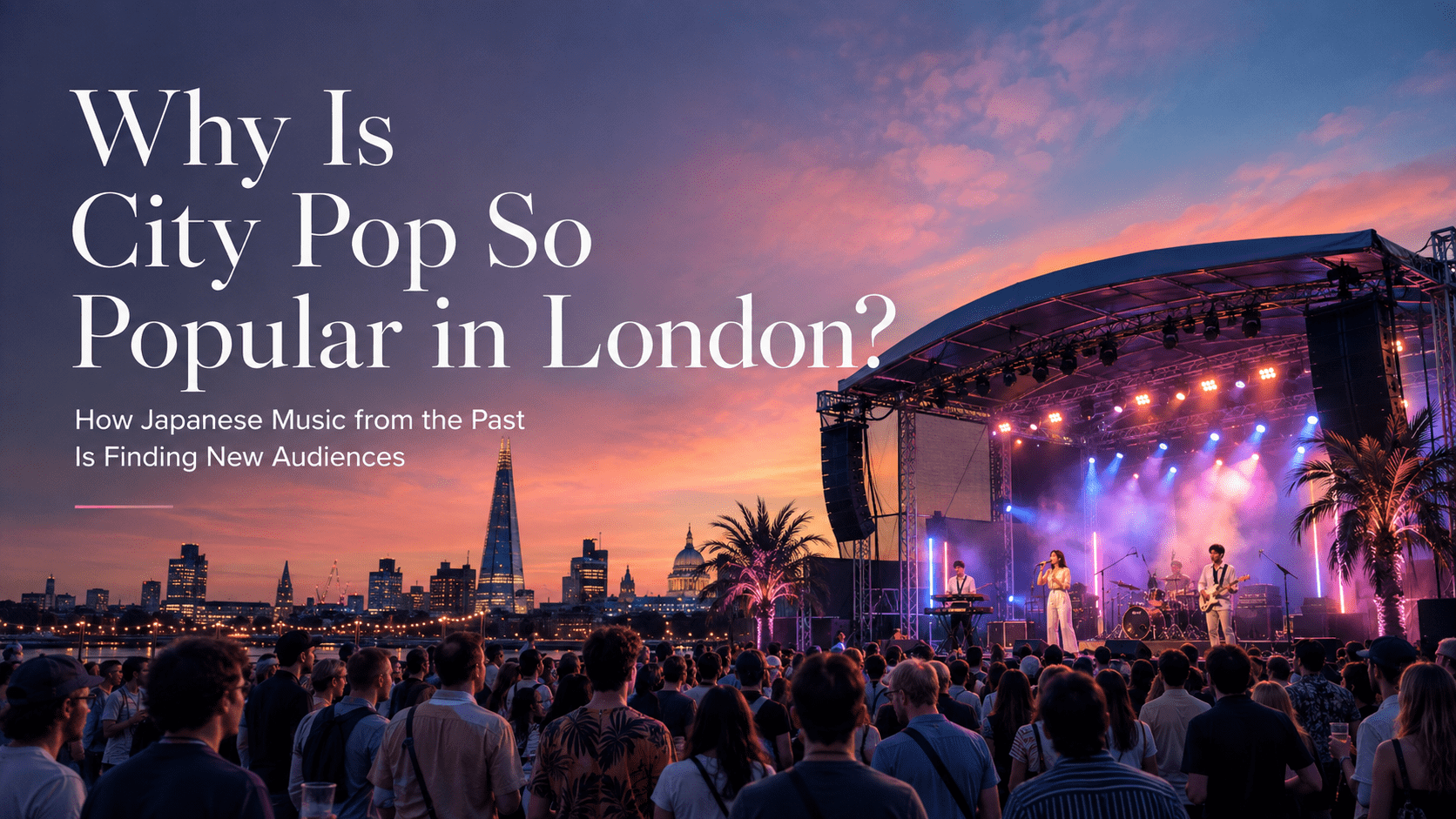
On 7 August 2026, City Pop Waves presents Masayoshi Takanaka took place at Crystal Palace Bowl in London.
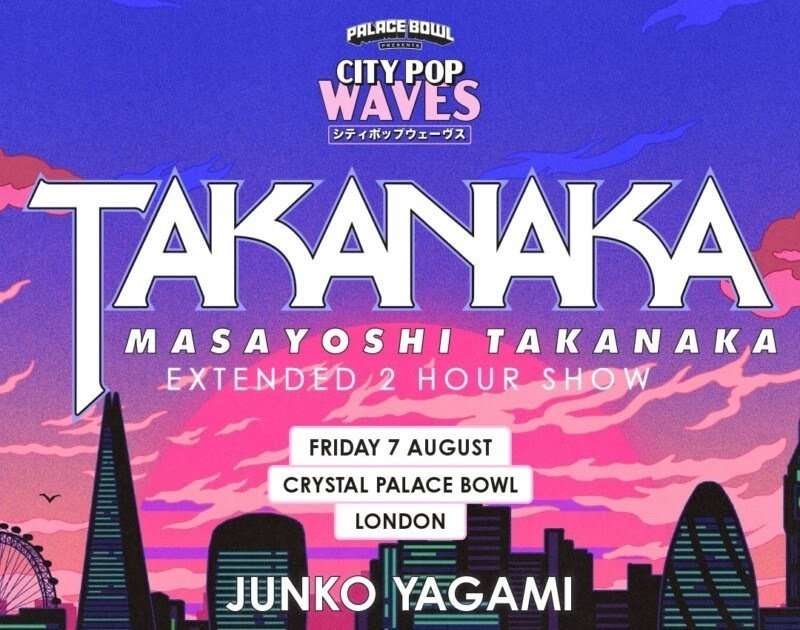
Legendary guitarist Masayoshi Takanaka headlined the event, joined by Junko Yagami, Himiko Kikuchi and Ginger Root (DJ Set). It was one of the largest outdoor events in the UK dedicated to Japanese music.
What makes this moment particularly interesting is not simply a statement that “City Pop is popular overseas.”
Under the broader context of “City Pop,” older Japanese music, including the Fusion genre, is now reaching a much wider international audience.
And this summer, that movement reached a major outdoor stage in London.
▶ How did City Pop become popular overseas?
One of the major reasons City Pop began attracting international attention was YouTube in the late 2010s.
A well-known example is Mariya Takeuchi’s “Plastic Love.”
Originally released in 1984, the song was uploaded to YouTube in 2017 and began reaching younger listeners around the world through the platform’s recommendation algorithm.
From there, international listeners started discovering more Japanese music from the 1970s and 1980s, including artists such as Tatsuro Yamashita, Miki Matsubara, Anri and Taeko Onuki.
What started as a relatively niche online trend before the pandemic has since grown into a major global movement.
In July 2026, Miki Matsubara’s “Mayonaka no Door – Stay With Me” passed 500 million streams on Spotify. Taeko Onuki’s “4:00A.M.” has reached around 150 million streams, while Mariya Takeuchi’s “Plastic Love” has recorded more than 120 million Spotify streams, in addition to tens of millions of views on YouTube.
One of the most interesting things about this trend is that international audiences are not necessarily listening to these songs as “oldies.”
For many younger listeners outside Japan, this is music they have only recently discovered.
In other words, music created 40 or 50 years ago can still feel completely new to a different audience.
▶ From City Pop to Japanese Fusion
Masayoshi Takanaka is mainly known in Japan as a Jazz Fusion and Rock Fusion guitarist.
Himiko Kikuchi is also an important figure in Japanese Jazz Fusion. At City Pop Waves, she performed material from her 1987 album FLYING BEAGLE, which has itself attracted a new international following in recent years.
For Japanese listeners, this can raise an obvious question:
“Is this really City Pop?”
It’s important to note that Fusion has not suddenly taken over City Pop as a musical genre.
Rather, City Pop has become a useful gateway through which international listeners are discovering a much wider range of Japanese music from the 1970s and 1980s.
A listener may first discover City Pop, then find Masayoshi Takanaka, and from there move into Japanese Fusion.
That can lead them further into Jazz, Funk, AOR, and other styles.
Music that has traditionally been separated into different genres in Japan is now being connected by international listeners who simply think:
“What else was happening in Japanese music at that time?”
A similar vibe could be felt at Haruomi Hosono’s London show in 2025, where older long-time fans and much younger listeners came together in the same audience.
It was a strong reminder of how deeply international music fans are now exploring Japan’s musical history.
▶ From a 50-year gap to a major outdoor show
Masayoshi Takanaka’s history in the UK goes back to the 1970s, when he was a member of the Sadistic Mika Band.
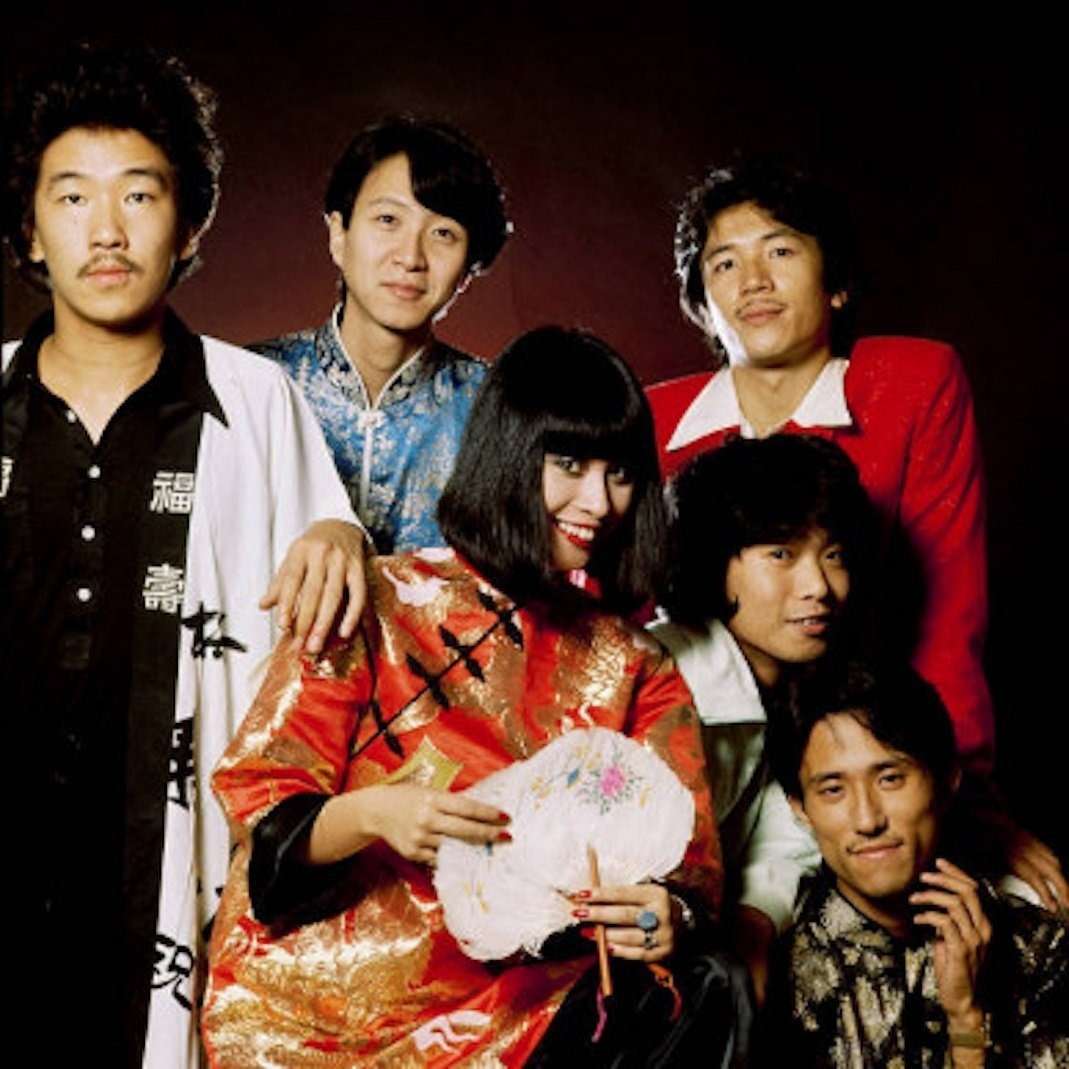
The band toured the UK as support for Roxy Music, becoming one of the earliest Japanese rock groups to gain significant exposure in Britain.
After that, however, there was a gap of around 50 years before Takanaka returned for a solo UK performance.
In March 2026, he performed his first UK solo show at O2 Academy Brixton in London.
Demand was so strong that a second show was added for 1 April, and both dates sold out.
Then, only four months later, he returned as the headline artist for City Pop Waves at Crystal Palace Bowl.
The scale of the genre had changed dramatically.
▶ A new generation of fans in London
Around 10,000 people attended the event at Crystal Palace Bowl, according to local reports.
What particularly stood out were the ages of the audience.
Many younger fans came dressed in outfits inspired by Takanaka’s iconic stage costumes and album artwork, such as his iconic red attire and incorporating tropical visual references in their clothing.
In Japan, Takanaka is a 73-year-old musician with a career spanning several decades.
But for many younger listeners in London, he is not simply a “legend from the past.”
He is an artist they may have discovered only recently through YouTube, Spotify or social media.
That difference is important.
▶ Japanese music from the past is being repackaged for new markets
City Pop is now becoming more than just a genre label.
It is increasingly acting as an entry point into Japan’s musical archive.
And the next stage of this movement is now happening beyond streaming platforms.
International promoters are beginning to turn this online discovery into real-world live business.
Instead of presenting Masayoshi Takanaka only within the narrow category of “Fusion,” he can be introduced within the broader and more recognisable context of City Pop Waves.
That makes it easier for audiences who may never have heard his name before to discover him.
In that sense, Japan’s older music catalogue is being given a new context for international audiences and connecting with an entirely new generation of listeners.
The outdoor show in London on 7 August 2026 was a symbolic moment in that development.
What began with YouTube and Spotify is now expanding into large-scale live entertainment.
Japan still has an enormous amount of outstanding music that has not yet been fully discovered internationally.
So what comes after City Pop?
Which era, genre, or artist will overseas audiences discover next?
Promoters are also beginning to recognise something important:
Creating live entertainment does not only mean packaging new music.
There is also enormous potential in rediscovering existing music, giving it a new context, and presenting it to a new audience.
How will Japanese music from the past continue to be repackaged and introduced to new international markets?
From our base in London, Tripleguns will continue to follow this fascinating development in Japanese music and live entertainment.
